Picture this: You’ve just had an amazing day at the park with your furry best friend. The sun was shining, the frisbee was flying, and your dog was in pure heaven. Then you get back in the car, roll up the windows, and BAM—that familiar, musty, nose-punching smell hits you like a wet sock to the face.
Yep. Wet dog smell in your car. It’s the souvenir nobody asked for.
I’ve been there more times than I’d like to admit. My golden retriever, Milo, thinks every puddle is a personal invitation from the universe to roll around in pure joy. And every single time, my car transforms into what I can only describe as a “mobile wet dog sanctuary.” It’s not pretty. It’s not pleasant. And honestly? It’s enough to make you consider selling the car.
But here’s the good news—you don’t need to trade in your vehicle or invest in expensive professional detailing to banish that stubborn odor. The best solutions are probably already sitting in your kitchen cabinet.
In this guide, I’ll share the five most effective ways to get rid of wet dog smell in your car, from quick fixes to deep-cleaning strategies. I’ve tested all of these methods myself (with varying degrees of success and failure), and I’ll give you the honest truth about what works and what doesn’t.
Ready to reclaim your car from the stink? Let’s roll! 🚗🐾
Why Does Wet Dog Smell Stick to Car Interiors?
Ever wondered why that smell seems to seep into every fabric surface in your car? It’s not just your imagination.
When your dog gets wet, the moisture releases bacteria and yeast from their fur and skin. These microorganisms produce volatile compounds—basically, stinky chemicals—that bind to porous surfaces like upholstery, carpet, and headliners. And because cars are small, enclosed spaces, the smell becomes concentrated and trapped.
Cloth seats are particularly bad culprits. They absorb moisture like a sponge, giving those odor-causing bacteria a perfect environment to thrive. Leather seats aren’t immune either—the smell can penetrate the tiny pores in the material.
The key to getting rid of the smell isn’t just masking it with air fresheners. You need to neutralize the source. And that’s exactly what these methods will do.
1. The Immediate Response: Towel Dry & Ventilate
Why It’s Awesome
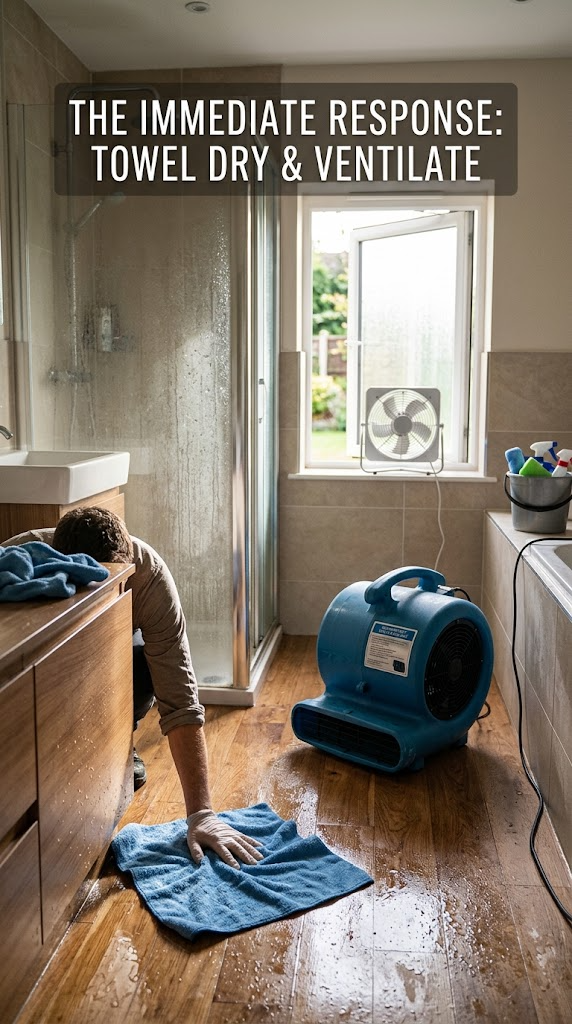
The best way to deal with wet dog smell is to stop it before it starts. And the easiest way to do that? Dry your dog immediately and ventilate the car.
What You’ll Need
- Microfiber towels (regular towels work too, but microfiber absorbs more water)
- Your car windows (roll them down!)
- A car seat cover or old blanket (prevention is key)
Step-by-Step Instructions
- Dry your dog thoroughly: Before your dog even steps foot in the car, give them a vigorous rubdown with microfiber towels. Pay special attention to their paws, belly, and undercarriage—these areas hold the most moisture.
- Roll down the windows: If the weather allows, drive with the windows down for at least 5-10 minutes. The airflow helps evaporate moisture and dilute any lingering odors.
- Use seat covers: If you know your dog is going to get wet, throw down an old blanket or waterproof seat cover. This creates a barrier between the moisture and your upholstery.
- Crack the windows when parked: When you get home, leave the windows slightly cracked to allow air circulation. Even an inch makes a difference.
Why You’ll Love It
This is the simplest, most effective way to get rid of wet dog smell in your car because it prevents the problem from happening in the first place. I’ve gotten into the habit of keeping a microfiber towel in the trunk at all times—it’s saved me from so many stinky situations. I’ll be honest, though, Milo isn’t always thrilled about the vigorous drying routine. He gives me “the look” every time. But a quick treat afterward makes up for it. 🙂
2. Baking Soda: The Odor-Absorbing Superhero
Why It’s Awesome
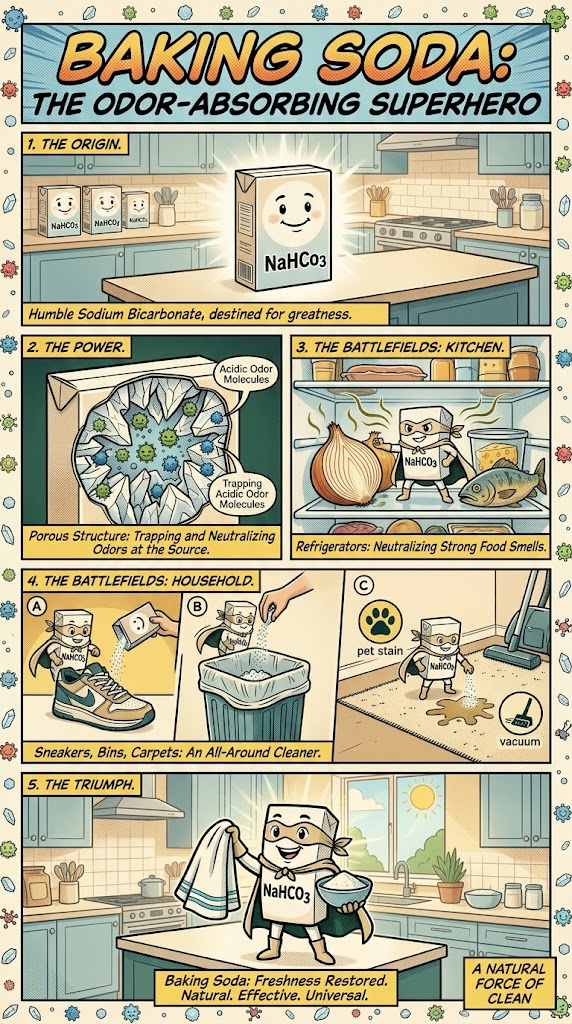
Baking soda is basically magic in a box. It’s a natural odor absorber that pulls those stinky compounds right out of your car’s fabric surfaces. Plus, it’s cheap, non-toxic, and won’t damage your upholstery.
What You’ll Need
- 1-2 cups baking soda
- A small bowl or open container (for leaving in the car)
- A vacuum cleaner with an upholstery attachment
Step-by-Step Instructions
- Identify the trouble spots: Which areas smell the worst? Usually, it’s the back seat and the footwells where your dog sat or stood.
- Sprinkle baking soda liberally: Sprinkle a generous amount of baking soda over the affected areas. Don’t be shy—use enough to create a visible white layer on the fabric.
- Let it sit: Leave the baking soda on the upholstery for at least 15-20 minutes. For serious odors, leave it overnight. The longer it sits, the more odor it absorbs.
- Vacuum thoroughly: Vacuum up all the baking soda using your upholstery attachment. Make sure you get deep into the crevices and seams.
- Leave an open container: For ongoing odor prevention, place a small bowl of baking soda in a cup holder or under the seat. Change it monthly.
Why You’ll Love It
This method is so simple, it almost feels like cheating. I once left baking soda on my back seat overnight after an especially wet trip to the lake, and the difference was night and day. The smell was completely gone. FYI, you can also add a few drops of essential oil to the baking soda before applying it for a fresh scent. Just make sure you mix it thoroughly to avoid oil spots.
3. White Vinegar Solution: The Natural Neutralizer
Why It’s Awesome
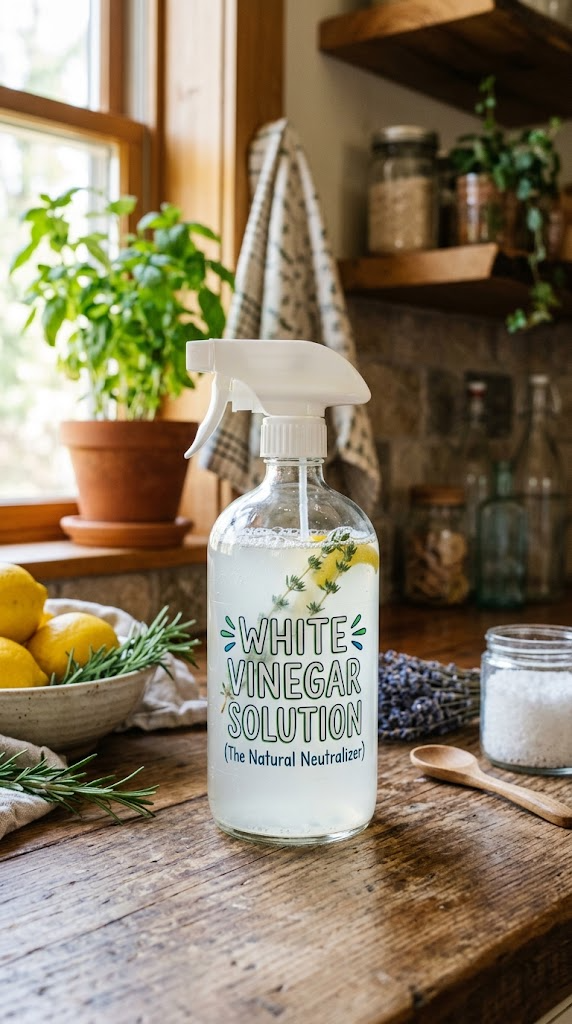
White vinegar is a natural deodorizer that neutralizes odors instead of just covering them up. It’s cheap, effective, and you probably already have a bottle in your pantry. The best part? Once it dries, the vinegar smell completely disappears—taking the wet dog odor with it.
What You’ll Need
- 1 part white vinegar (plain, distilled vinegar)
- 2 parts water
- A clean spray bottle
- Clean cloths or paper towels
Step-by-Step Instructions
- Mix the solution: Combine 1 part white vinegar with 2 parts water in your spray bottle. Shake well.
- Test a small area: Before you go spraying your entire car, test the solution on a small, hidden area of the upholstery. Let it dry and check for any discoloration or damage. Better safe than sorry!
- Lightly mist the affected areas: Spray the vinegar solution onto the smelly areas. Don’t soak them—you want the fabric damp, not dripping wet. Over-saturating can lead to mold and mildew.
- Blot with a clean cloth: Use a clean cloth to gently blot the area, absorbing excess moisture.
- Let it air dry: Roll down the windows and let the upholstery dry completely. This usually takes a few hours. As it dries, the vinegar smell will dissipate, taking the wet dog odor with it.
- Vacuum to restore texture: Once it’s completely dry, vacuum the area to fluff up the fabric.
Why You’ll Love It
This is my go-to method when I need something fast and effective. I was skeptical the first time I tried it—I mean, who wants their car to smell like a salad bar? But I was blown away when the vinegar smell completely disappeared after drying, leaving nothing but fresh, clean upholstery. IMO, this is the best way to get rid of wet dog smell in your car without using harsh chemicals. Just make sure you test it first—I learned that lesson the hard way when I accidentally left a slight water stain on light-colored fabric.
4. Enzyme-Based Pet Cleaners: The Heavy Hitters
Why It’s Awesome
Enzymatic cleaners are specifically designed to break down the proteins and bacteria that cause organic odors. They’re the nuclear option for stubborn smells, working on a biological level to eliminate the odor completely—not just mask it.
What You’ll Need
- Commercial enzymatic cleaner (look for pet-specific brands like Nature’s Miracle or Simple Solution)
- Clean white cloths or sponges
Step-by-Step Instructions
- Read the label: Different enzymatic cleaners have different instructions. Follow the specific directions for your product. Generally, you’ll apply it and let it sit for a while.
- Apply the cleaner: Spray the enzymatic cleaner onto the affected upholstery. Make sure you saturate the area enough to penetrate the fabric, but don’t drown it.
- Wait for it to work: This is the hardest part. Let the cleaner sit for the recommended time—usually 10-15 minutes. The enzymes need time to break down the odor-causing compounds. Patience is key!
- Blot with a cloth: Use a clean cloth to gently blot the area, absorbing the excess moisture. Don’t rub—rubbing can spread the odor and damage the fabric.
- Let it dry completely: Allow the area to air dry with the windows down. This can take several hours, but the results are worth it.
- Vacuum: Once completely dry, vacuum the area to restore the fabric’s texture.
Why You’ll Love It
Enzymatic cleaners are the real deal. I keep a bottle in my car at all times—it’s my emergency go-to for, well, any kind of pet accident. When Milo had an especially enthusiastic roll in something mysterious (don’t ask), this was the only thing that got the smell out. FYI, these cleaners are also great for pet urine and other organic stains, so it’s a versatile investment. They’re a bit pricier than vinegar or baking soda, but honestly, they’re worth every penny when you’re dealing with a truly stubborn odor.
5. Deep Clean: Shampooing & Steam Cleaning
Why It’s Awesome
Sometimes, you need to go nuclear. If the smell has soaked deep into the upholstery and padding, a surface clean just won’t cut it. That’s when you bring out the big guns—carpet shampooer or steam cleaner.
What You’ll Need
- Upholstery or carpet shampooer (rent one if you don’t own one)
- Pet-safe upholstery shampoo (specifically formulated for cars)
- Clean water
- Clean cloths and towels
Step-by-Step Instructions
- Test the cleaner: Test your shampoo on a small, hidden area of the upholstery first. Check for colorfastness and damage.
- Vacuum thoroughly: Before you start shampooing, vacuum the upholstery and carpets to remove loose dirt, hair, and debris.
- Prepare the machine: Follow the manufacturer’s instructions to fill your shampooer with water and the pet-safe upholstery shampoo.
- Shampoo the affected areas: Use the machine to shampoo the smelly areas. Work in sections, making sure you don’t over-saturate the fabric.
- Extract the water: Most shampooers have a suction function that extracts the dirty water. Go over each area several times to remove as much moisture as possible.
- Blot with clean towels: Use clean towels to blot the upholstery, absorbing any remaining moisture.
- Let it dry thoroughly: Roll down the windows and leave the car to air dry completely. This can take several hours to a full day.
Why You’ll Love It
This method is the most thorough way to get rid of wet dog smell in your car. When the smell had been building up for months and nothing else seemed to work, this is what finally saved me. I rented a carpet shampooer from the grocery store and went to town on my car’s upholstery. The water that came out was absolutely disgusting—but the smell was gone. It’s more work than the other methods, but sometimes you just need to go all in.
Prevention Tips: Stop the Smell Before It Starts
Okay, we’ve covered the cleanup, but let’s talk about prevention. Because honestly, the best way to get rid of wet dog smell in your car is to stop it from happening in the first place. Here are a few quick tips:
1. Keep a dog towel in the car: I always keep a microfiber towel in the trunk. After any wet activity, I give Milo a quick rubdown before he jumps in.
2. Use waterproof seat covers: Investing in a good waterproof seat cover is a game-changer. They’re easy to clean and protect your upholstery from moisture.
3. Crack the windows: Even if the weather isn’t great, crack the windows a little. Air circulation helps dry out any moisture.
4. Regular vacuuming: Regular vacuuming removes hair and dander, which can trap odors. I keep a small handheld vacuum in the car for quick cleanups.
5. Groom regularly: A well-groomed dog is a less-smelly dog. Regular brushing removes dead fur and dander, reducing the source of odor-causing bacteria.
Related Articles:
- 5 Dog Food with Lamb and Rice for Sensitive Stomachs
- 5 Air-Fryer Dog Food Recipes Using Duck for Dogs with Allergies
- 5 Beef & Turkey Liver Cat Meals
Conclusion
And there you have it—five incredibly effective ways to get rid of wet dog smell in your car, all using simple ingredients and a little bit of patience. From the quick towel dry to the deep steam clean, each method brings something unique to the table.
The best part? Most of these solutions use ingredients you already have at home. No expensive detailing services, no weird chemical smells—just natural, effective solutions that actually work.
A few quick reminders: always test any new solution on a small, hidden area of your upholstery first. Different materials can react differently, and you don’t want to end up with a bleached spot on top of your odor problem. Also, don’t oversaturate your car’s interior—moisture can lead to mold and mildew, which is a whole other problem.
Have you tried any of these methods? I’d love to hear about your experiences—or your epic fails! Drop a comment below and share your stories. And if your dog is anything like Milo, they’re probably already eyeing the nearest puddle and plotting their next adventure.
Happy cleaning, fellow dog parents! Your car is about to smell better than it has in months—and your nose will thank you. 🐾